

The sowers of the past seed the future.
Curious Roots is a podcast and living archive unearthing the lessons of history to imagine a better future.

“Wines from the same variety of grape will taste different depending on what the roots sink into--what they wrap around and bring to the surface. Humans are like this too. Knowing what your roots sink into--what they wrap around and bring to the surface--helps understand the tastes and sensations of our present.” —Patty Krawec

Curious Roots Season Three
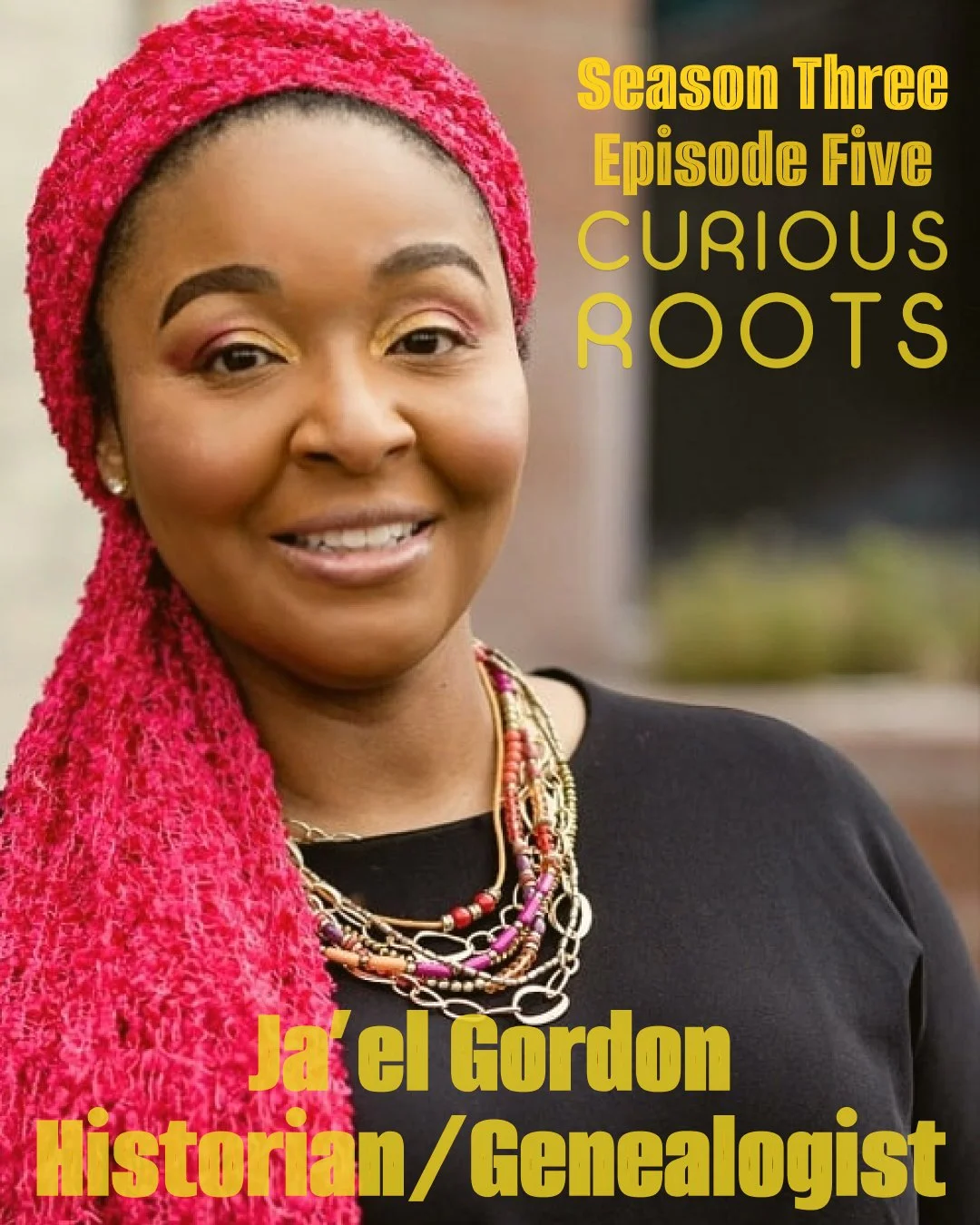
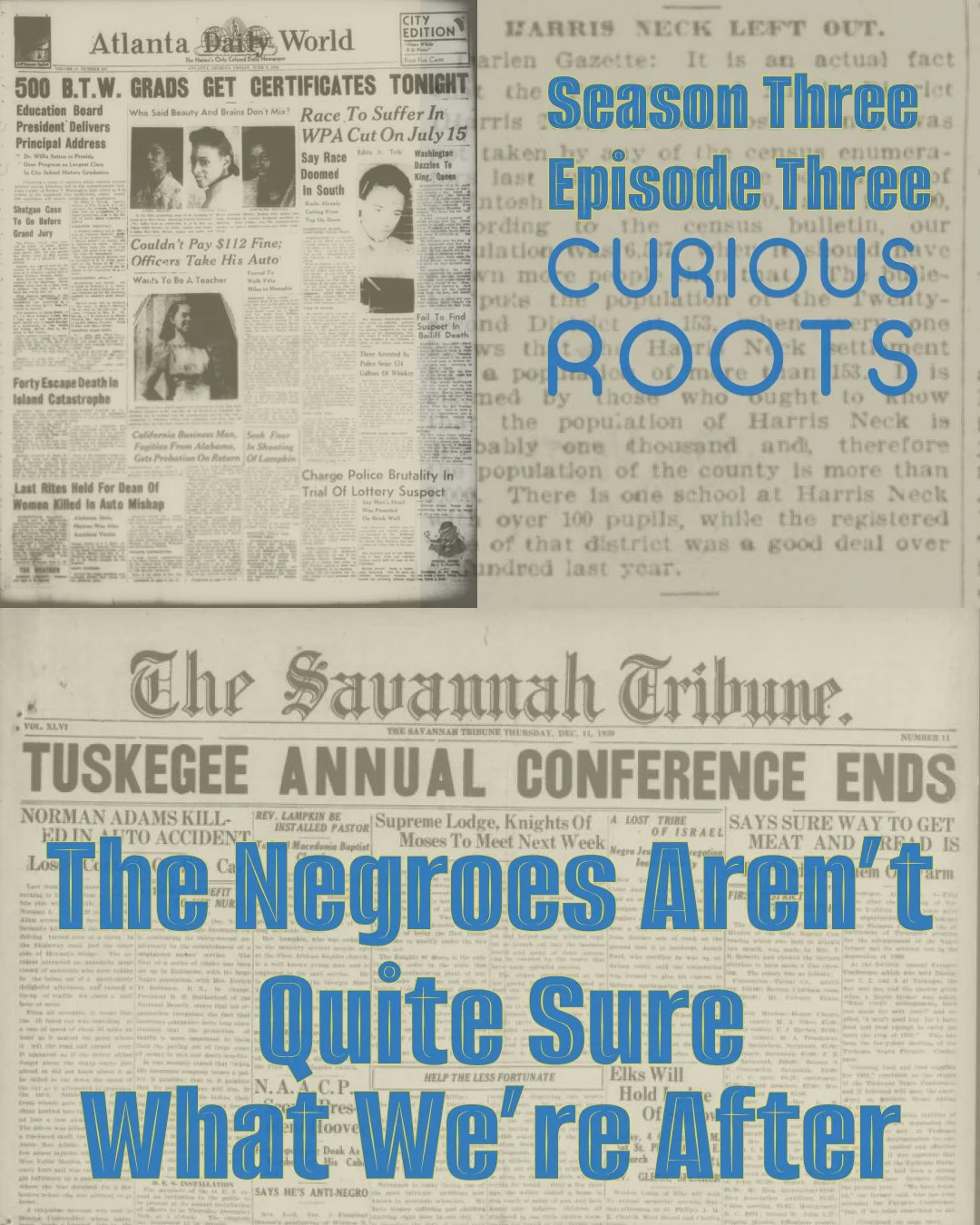
Welcome to season three of Curious Roots! A new piece of research about my second great-grandfather Isaac Baisden Jr. sets up the new season of the podcast. The story begins three years before the destruction of Harris Neck.
Curious Roots Season Two
Season two features three two-part episodes with members of the Harris Neck community. The new season opens with Chairman of the Harris Neck Land Trust, Mr. Winston Relaford, followed by Adolphus Armstrong, head of the Low Country DNA Project, and we end with Mr. Griffin Lotson, Georgia Commission Vice Chair for the Gullah Geechee Cultural Heritage Corridor Commission,Chief Executive Officer of the non-profit Sams Memorial Community Economic Development, Inc., and manager of the nationally acclaimed Geechee Gullah Ring Shouters.


Curious Roots Season One
In six short form episodes, season one unravels the story of my maternal family and what happened to my Grandmother’s community of Harris Neck, Georgia. The story of Harris Neck is just one example of what continues to happen to Black coastal communities from North Carolina to Florida to this day. This podcast is a story about my own curious roots.


Harris Neck In Pictures
Images from my personal family archive.
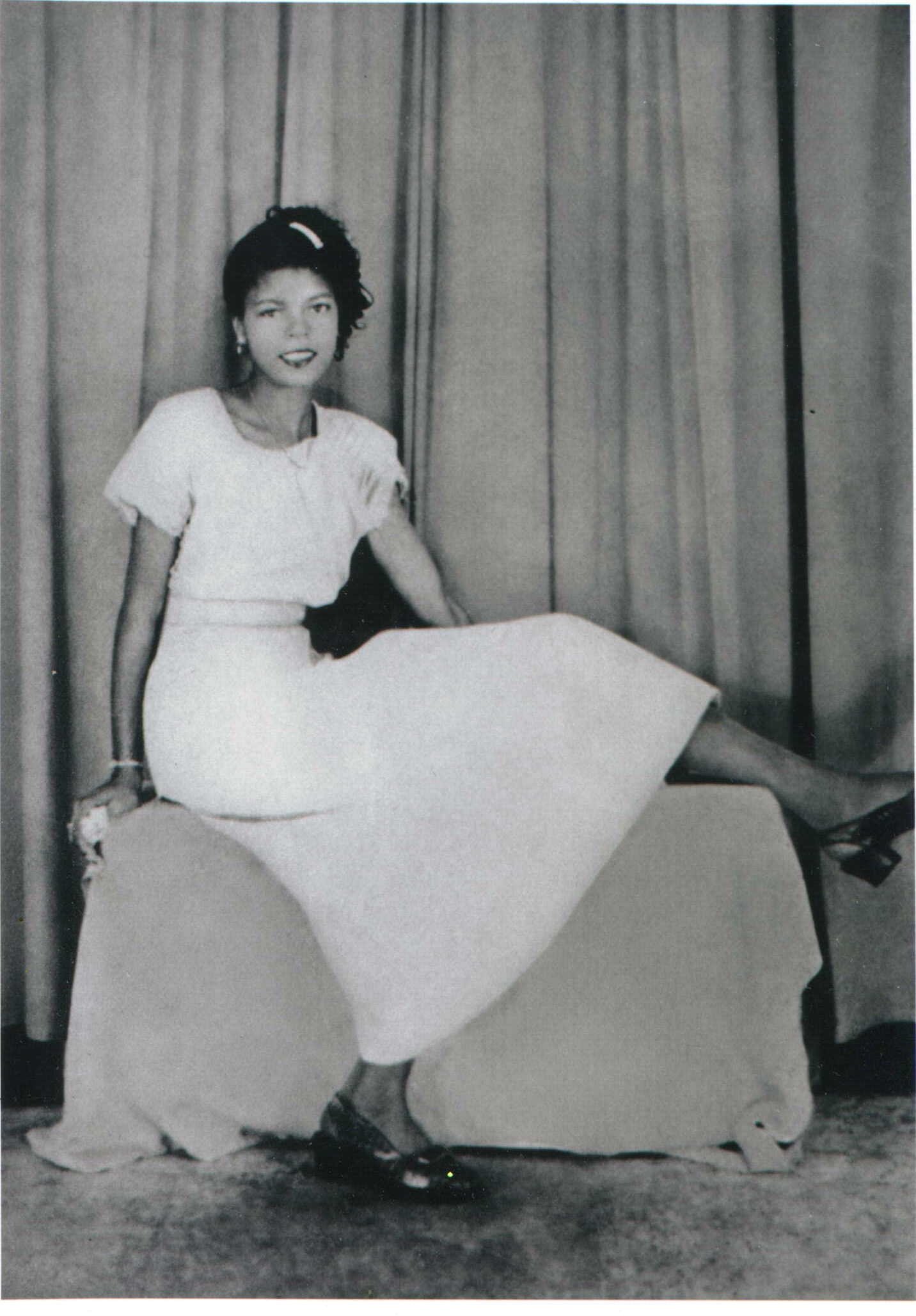
My grandma Margaret Baisden White

A serene view from one of the many ponds on Harris Neck

A page from The Republican ; and Savannah evening ledger. from February 07, 1811 full of Sheriff’s sales selling land and people. An an enslaved woman named Rosannah and her child are listed as being sold along with a tract of land near Harris Neck

The Fountain at Lorillard Estate on Harris Neck

Page from Darien gazette April 15, 1824 advertising the sale of Baisden’s Bluff on Harris Neck
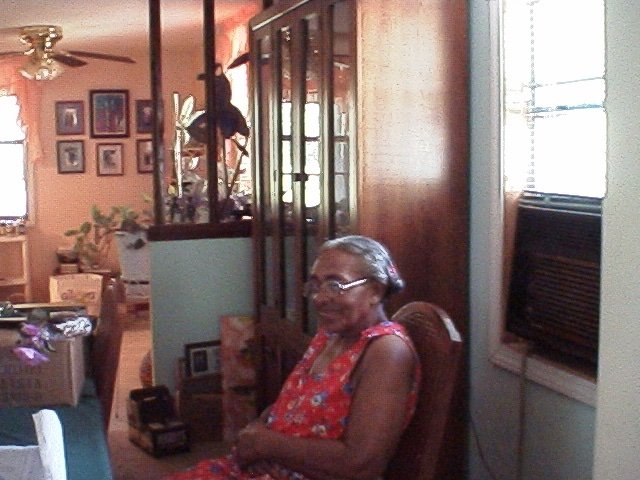
Miss Mary from the early 2000s during our visit
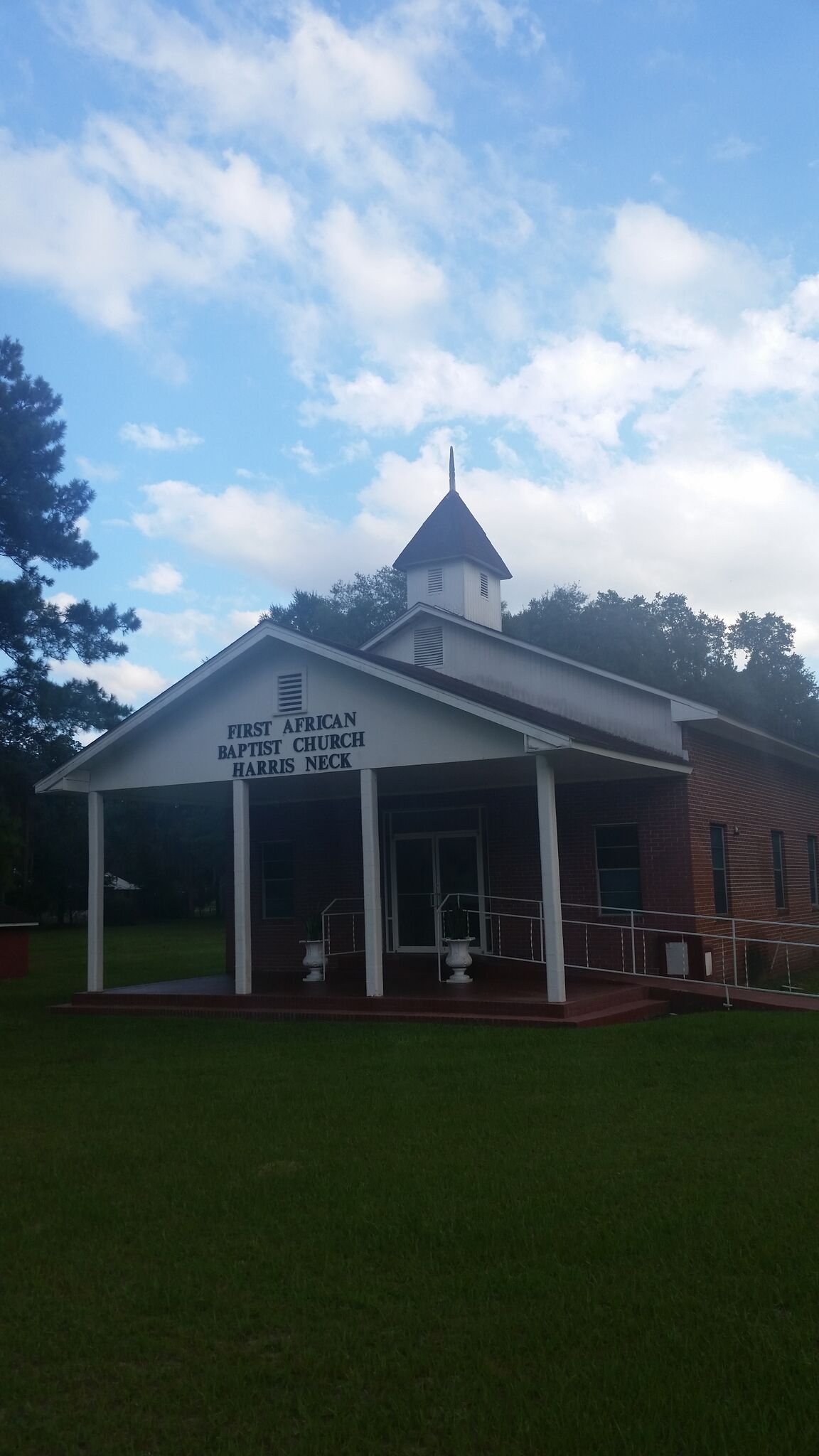
The First African Baptist Church of Harris Neck
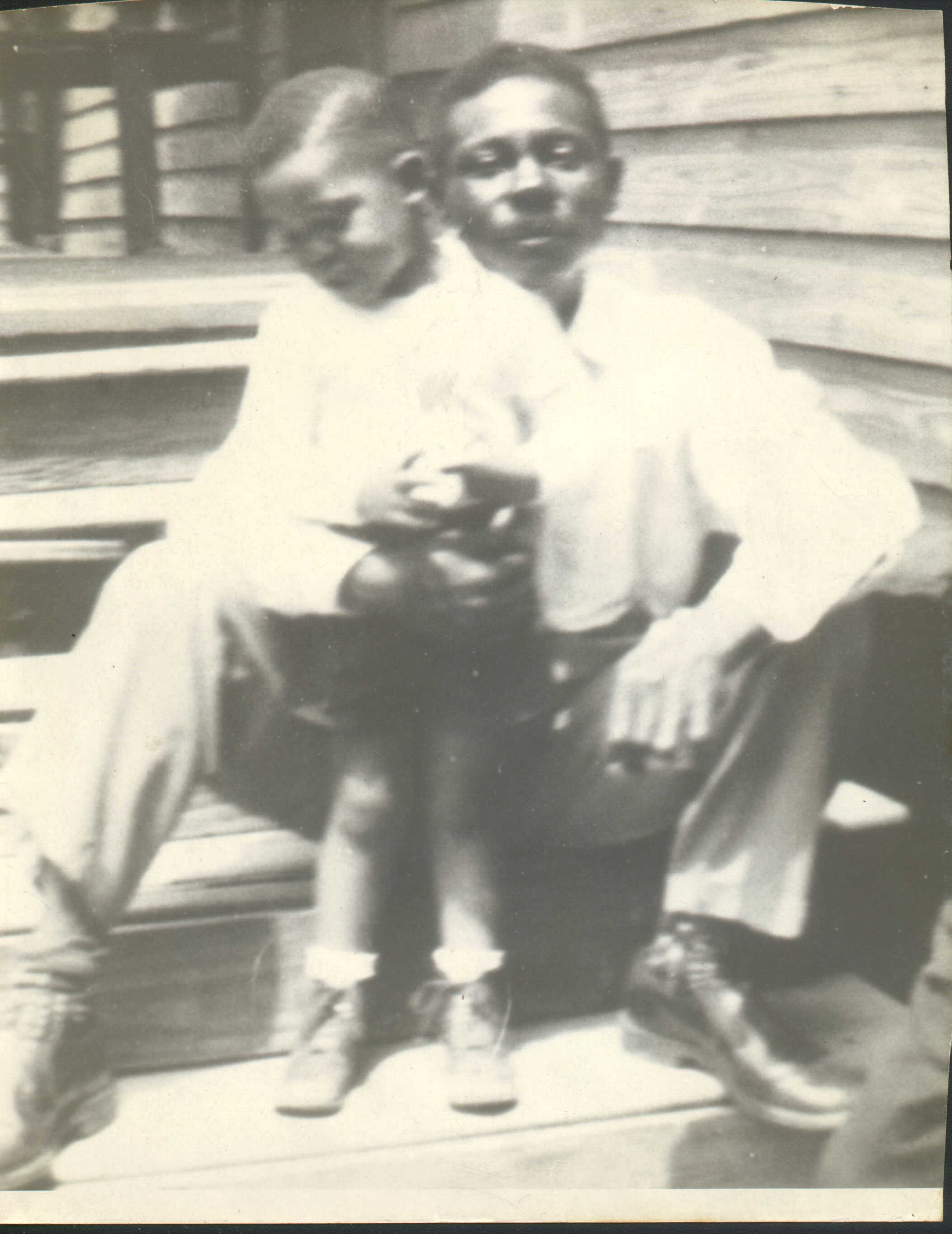
Uncle Richard Harris and little Willie Harris both were Harris Neck residents. This picture was either taken on Harris Neck or in Savannah.
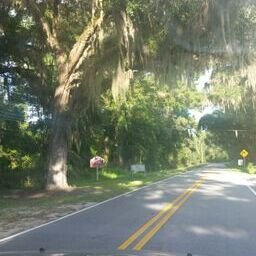
A view of the road to Harris Neck

Image of an unknown Harris Neck ancestor we found my grandma Margaret’s photo collection
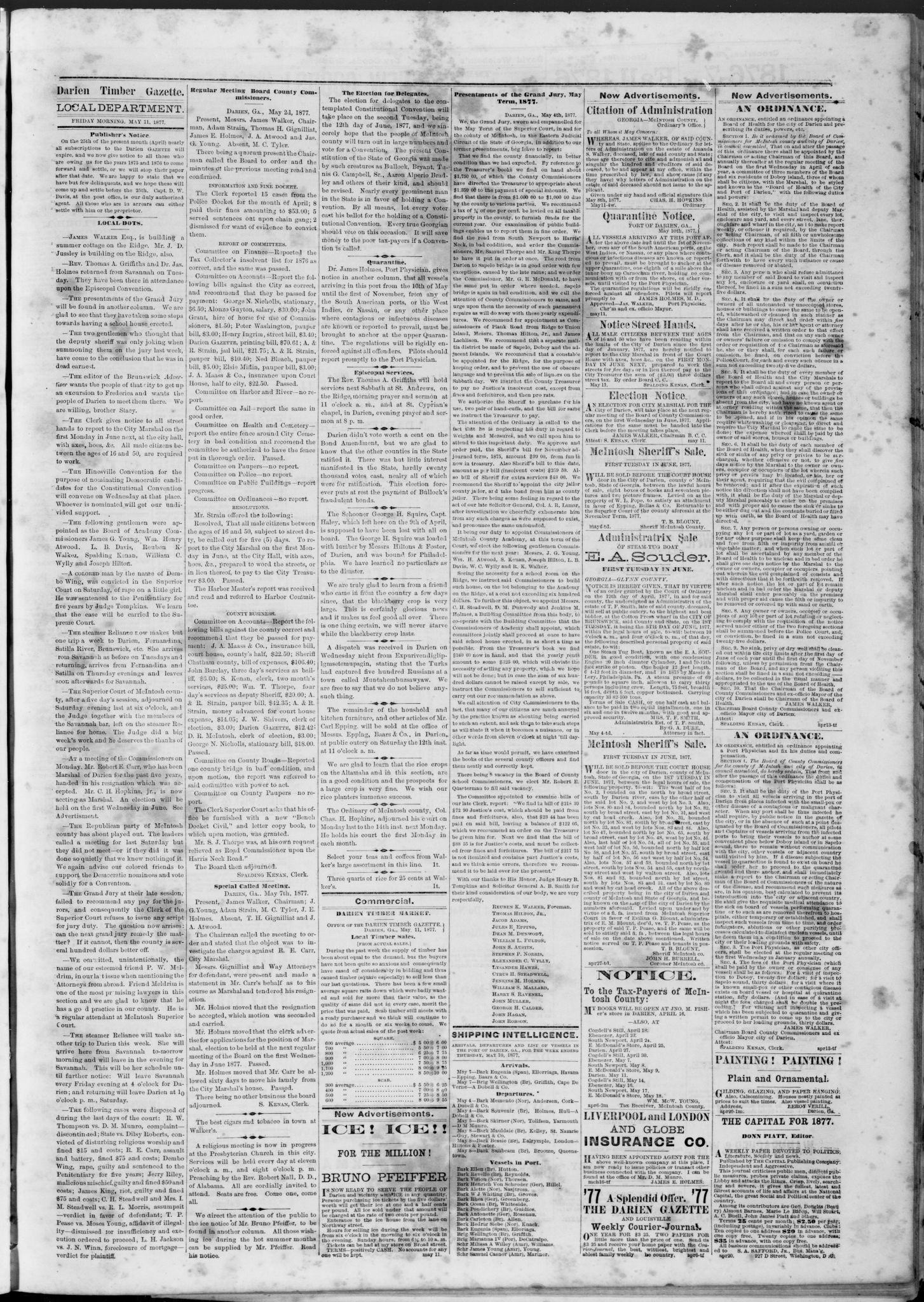
Page from Darien gazette May 11, 1877 advertising the sale of Baisden’s Bluff on Harris Neck
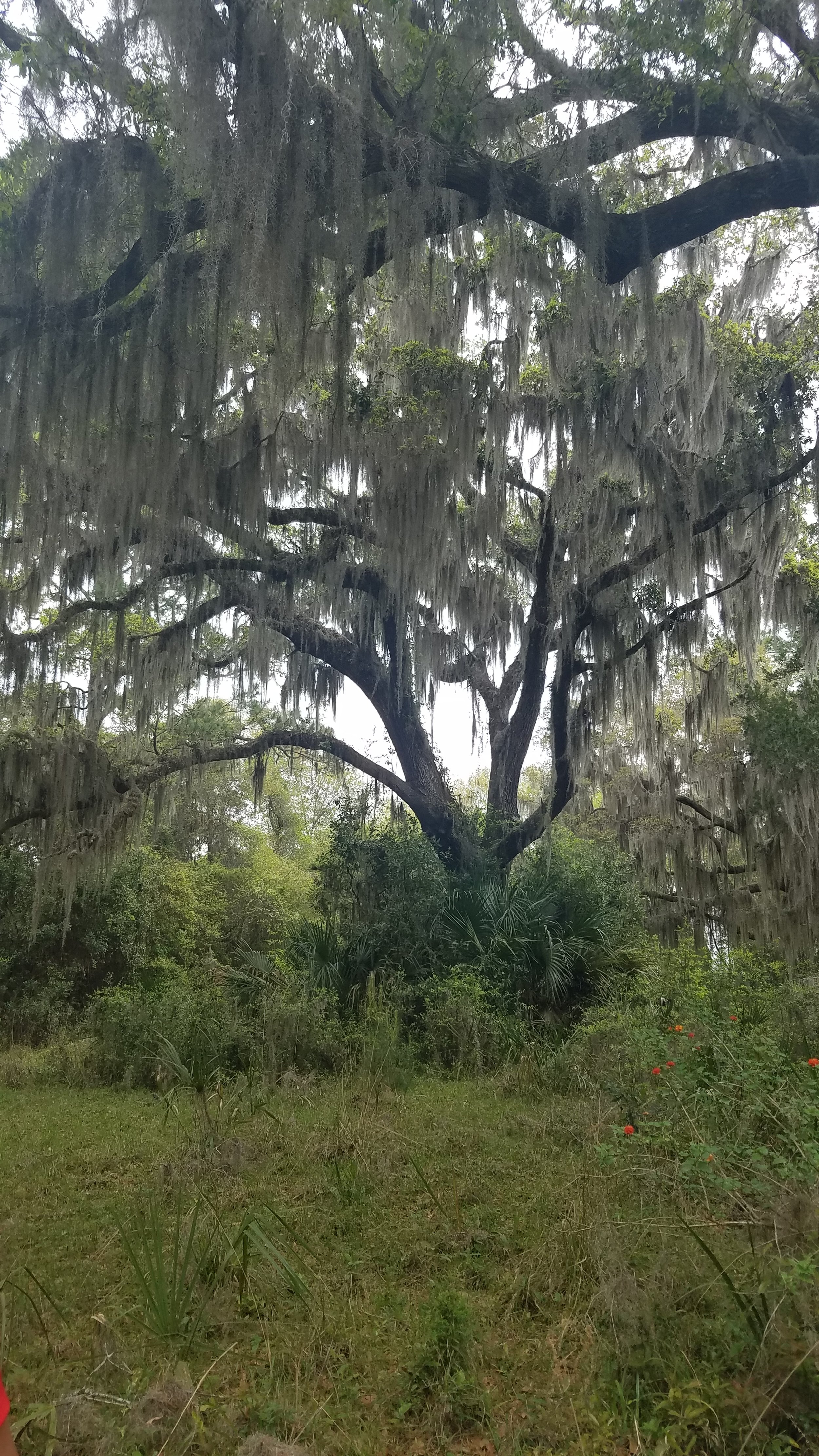
A gorgeous Spanish moss laden tree on the road near the site of Lily Livingston’s mansion. Lily and her “friend” Eleanor Clapp purchased the piece of land from one of my Baisden ancestors so they could live across the road from each other.

Aunt Gladys Hayes who was the last person who spoke Geechee in our family.

Egrets in the trees on the water on Harris Neck
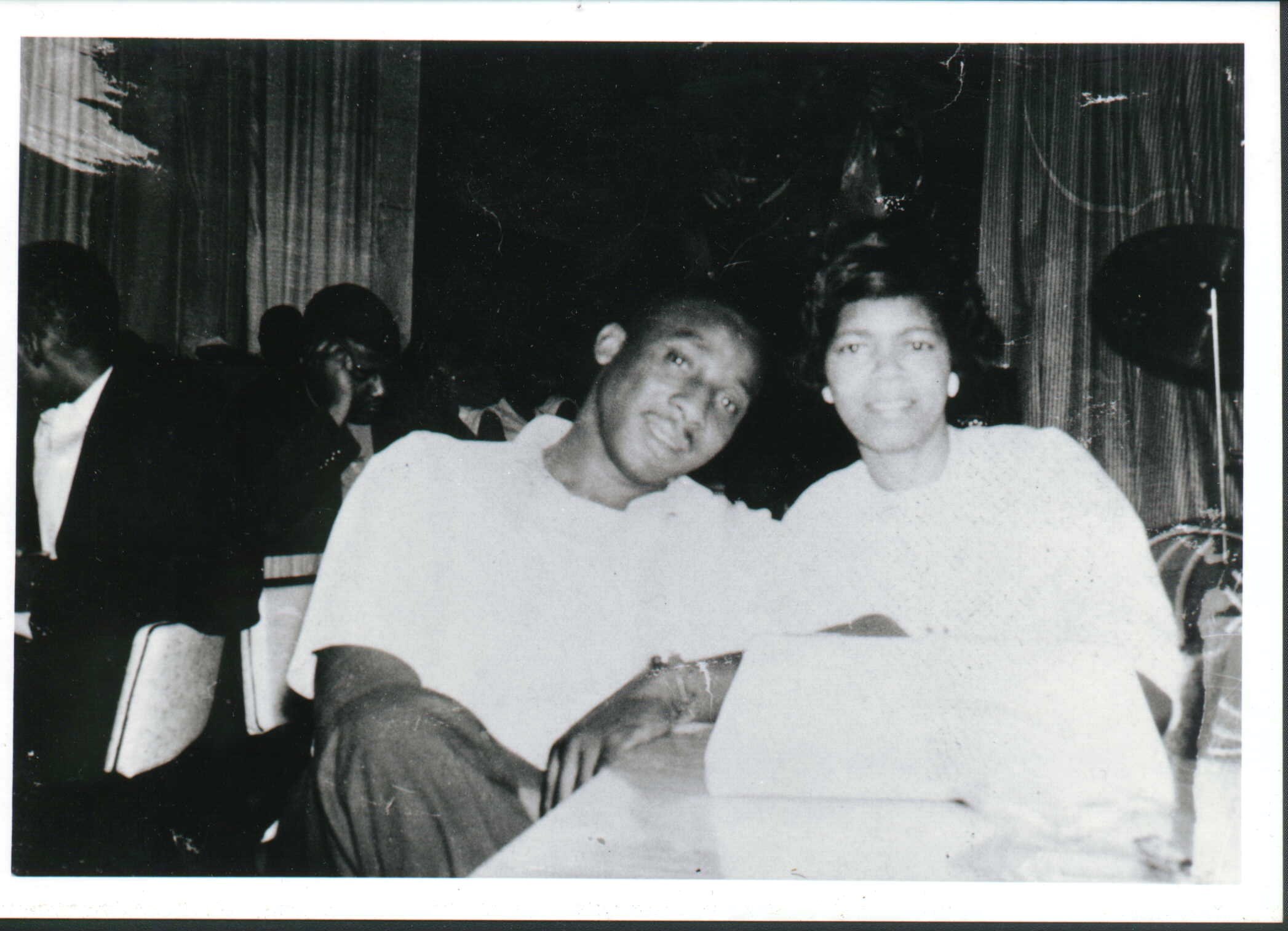
My grandpa Rufus and my grandma Maggie looking fly on a night out together
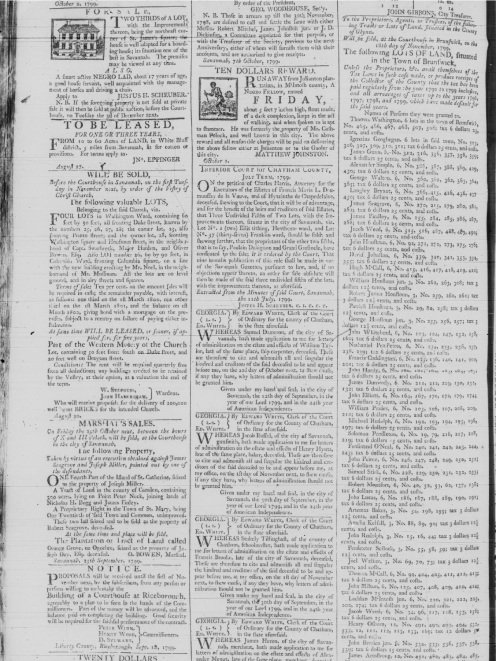
Page from 1799 Savannah Gazette advertising a ten dollar reward for an enslaved man named Friday who escaped from the Julianton plantation.
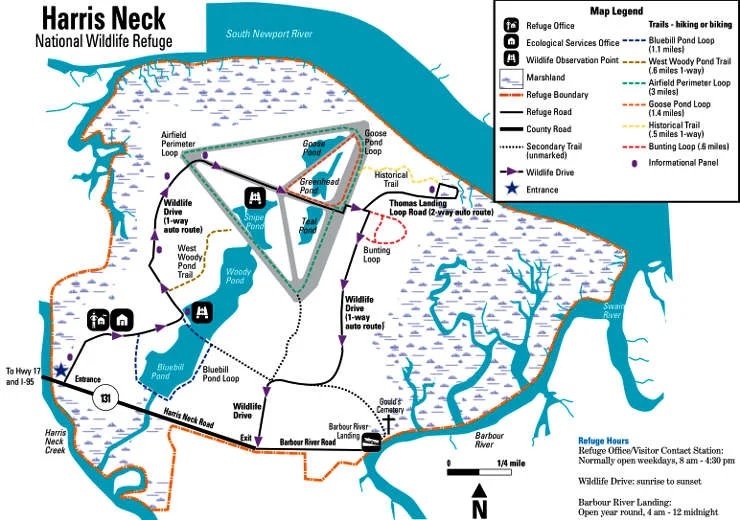
Map of Harris Neck, the triangular shape is the airfield.

Mr. Moran’s hands showing a beautiful piece of pottery made by his ancestor Sam Dawley on Harris Neck.

My 3rd great grandfather Lester Grant’s official discharge papers from the army during the Civil War

My grandma Margaret holding a gavel that belonged to Mr. Moran’s grandmother who served as president of an organization called King Daughters.

A page from the Darien gazette August 09, 1819 advertising a five dollar reward for an enslaved woman named Nancy who escaped in Darien, but she was originally enslaved on Harris Neck.



About
Curious Roots is at the heart of my work as a public researcher and community archivist. The work gleaned from my personal, familial history radiates out to illuminate the stories of the broader histories and artistic legacies of Black communities in coastal Georgia from the antebellum period to the Reconstruction era to Jim Crow.
I choose to do and to share my work outside of “traditional” institutions to actively trouble the ways in which many archival systems and academic institutions reproduce modes of colonial extraction by interrupting pathways of accessible knowledge gathering and sharing with paywalls and privatization.