

The Nimble Hands Collective
The Nimble Hands Collective
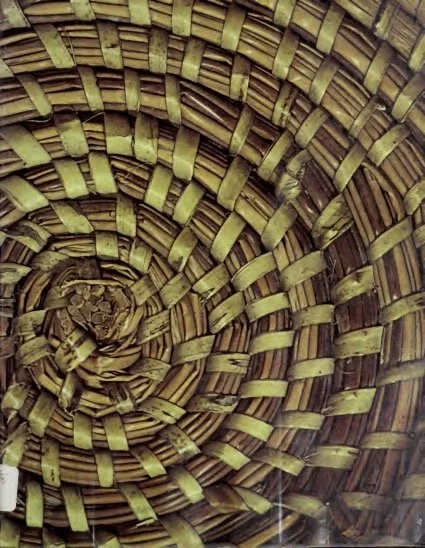
The Nimble Hands Collective creates pathways for learning, teaching, healing, and community building through the practice of slow handcraft skills.

Stitching Legacy: Waterways, Identity and Connection
On May 9-10, 2026, The Nimble Hands Collective hosted our very first workshop at Indigenous Creatives Collective.
The workshop was taught by multidisciplinary artist Duwenavue Santé Johnson and funded by a smART Ventures grant from the City of Seattle Office of Arts & Culture.
Video by It’s The Adobo Productions.
Our Story
Researching and archiving my maternal family’s history led me to a powerful story that existed alongside loss and removal. This story was one of creation in the face of profound oppression.
Generations of craftspeople were stolen from West African shores precisely for their expertise. Basket weavers, fishing cast net makers, blacksmiths, and wood carvers honed and shared their skills in community—before and after captivity.
They held fast to their ancestral wisdom of creation with nimble hands and with hearts that dreamt of freedom for generations they would never know.
My second great-grandfather Isaac Baisden Jr. was one of these craftspeople. He was a basket maker who taught himself the craft after he lost his sight. He learned by feel, running his hands over his uncle’s woven rice fanners and baskets to learn the practice for himself.
The Nimble Hands Collective (TNHC) is inspired by this ancestral lineage of skilled handcraft in my maternal line.

Our Why
The Nimble Hands Collective addresses the critical need for belonging and community building among communities of culture.
While we center solidarity between Black and Indigenous communities, our goal is to build broad coalitions through the shared learning of process based art and handcraft skills.

Our Process
The cohorts who participate in the collective will be the foundation for a contemporary hand craft arts training program that will serve as a space of learning and apprenticeship.
Participants can move through the program as teachers or as artisans who can exhibit their work or offer their handcraft labor to the community.
Finished projects will establish a pipeline where cohort’s work can be shown in both public and public/private exhibition spaces. As the collective grows, we will build partnerships with local library systems across the country, to explore regional handcraft traditions using public library archives.
Sign up for our newsletter to learn more and get the news first when we officially launch our full series of workshops.